David Hansen · 27 September 2026
How Coastal Health Providers Realign Their Service Delivery Models During Periods of Technological Integration
Adapting Infrastructure Amid Coastal Challenges
Coastal health providers face unique pressures when integrating new technologies because rising sea levels and storm surges often disrupt physical facilities while digital tools demand reliable connectivity. Research from the Centers for Disease Control and Prevention indicates that facilities in regions like the Gulf Coast and Pacific Northwest have shifted toward hybrid models that combine in-person care with remote monitoring since early 2025. These changes allow clinics to maintain service continuity even when weather events damage on-site servers or power grids.
Observers note that many providers now prioritize cloud-based electronic health records over local data centers because the former offers automatic backups and easier scaling during peak demand periods such as hurricane season. Data from the Canadian Institute for Health Information shows similar patterns in Atlantic provinces where coastal hospitals reduced on-premise hardware by 35 percent between 2023 and 2025 to cut maintenance costs tied to humidity and salt air corrosion.
Workflow Redesign and Staff Training
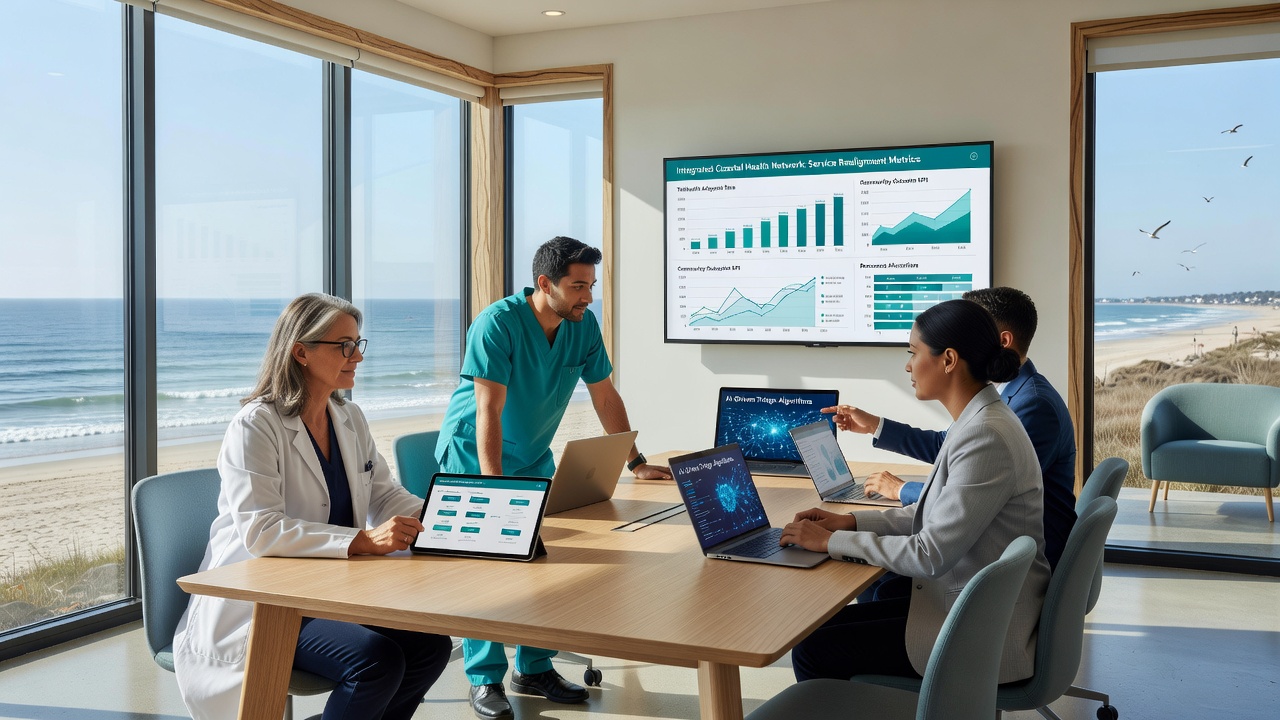
Service delivery realignment requires more than new software because frontline teams must adjust daily routines around automated scheduling and AI-assisted diagnostics. Studies from the University of California San Diego Health Sciences reveal that coastal clinics implementing phased training programs saw adoption rates climb to 78 percent within six months when sessions focused on practical scenarios rather than abstract theory. Staff members learn to toggle between video consultations and on-site visits while algorithms flag patients needing urgent follow-up based on vital sign trends collected through wearable devices.
And yet integration timelines can slip when legacy systems lack compatible APIs. Providers in Florida and Oregon have formed regional consortia to share technical expertise and negotiate bulk licensing deals with vendors, which reduces individual facility expenses by an average of 22 percent according to industry reports. This collaborative approach helps smaller practices avoid the steep learning curve that larger urban hospitals already navigated years earlier.
Regulatory Timelines and September 2026 Milestones
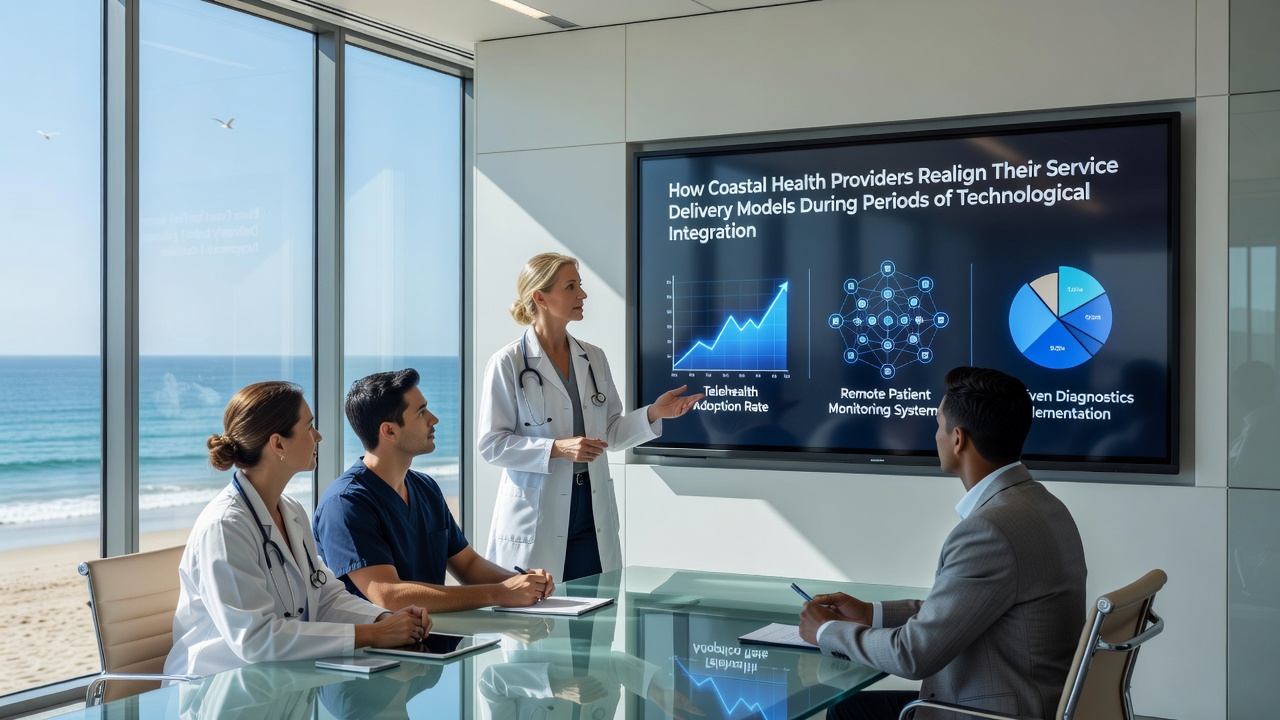
Upcoming federal guidelines scheduled for September 2026 will require enhanced interoperability standards for all Medicare-participating providers, including those along coastlines. The U.S. Department of Health and Human Services outlines these rules in its latest framework, pushing organizations to adopt standardized data exchange formats that support cross-state patient records. Coastal facilities have begun mapping current workflows against these requirements so they can phase in updates before the deadline rather than scramble afterward.
Meanwhile European coastal health networks in the Netherlands and Denmark already operate under stricter digital reporting mandates, giving American providers concrete examples to study. One multi-site clinic in North Carolina adopted a similar patient portal system last year and reported a 40 percent drop in missed appointments because automated reminders integrated directly with local weather alert systems.
Measuring Outcomes and Adjusting Models
Outcome tracking becomes essential once new technologies go live because coastal populations often include higher percentages of elderly residents and seasonal workers who need flexible access points. Figures from academic reviews at Johns Hopkins Bloomberg School of Public Health demonstrate that clinics using predictive analytics reduced emergency transfers by 18 percent during the 2024-2025 storm season by routing non-critical cases to telehealth first. Providers track these metrics through dashboards that update in real time and adjust staffing models accordingly.
Yet data security remains a parallel concern during rapid rollouts. Facilities address this by layering encryption protocols and conducting quarterly audits that align with both state and federal expectations. The result shows up in sustained patient satisfaction scores that hold steady even as service channels diversify.
Conclusion
Coastal health providers continue to refine their approaches as technological integration deepens. Patterns emerging from multiple regions point toward sustained investment in adaptable infrastructure, ongoing staff development, and close attention to regulatory deadlines such as those arriving in September 2026. These adjustments support consistent care delivery regardless of environmental or operational variables.