Jakob Roth · 25 October 2026
How Local Fishermen Collaborate with Shoreline Clinics on Occupational Health Screenings
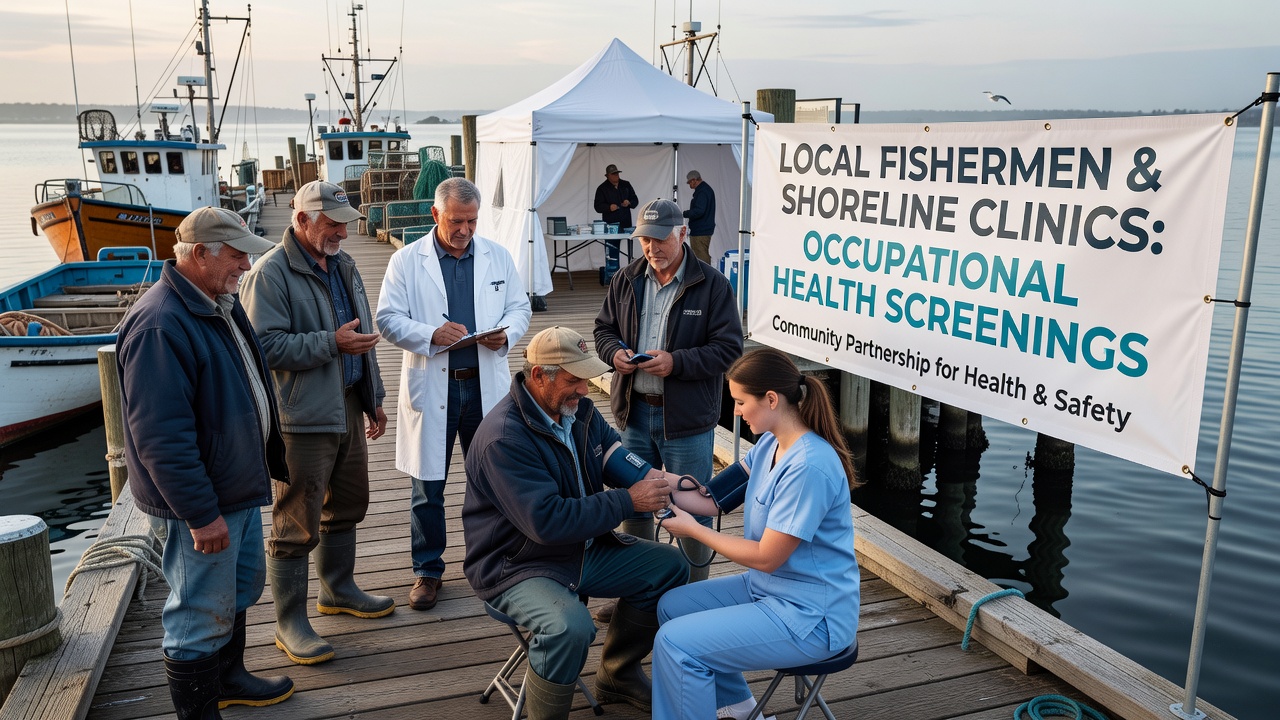
Fishermen in coastal regions encounter a range of physical demands that include heavy lifting of nets and equipment, prolonged exposure to cold water and wind, and repetitive motions that strain the back and shoulders, so shoreline clinics have developed partnerships to deliver targeted occupational health screenings that identify issues such as hearing loss, skin conditions, and musculoskeletal disorders before they worsen.
These collaborations often begin when local fishing associations contact clinic administrators to arrange group sessions, and the process incorporates input from port authorities and regional health departments that track injury patterns in the industry.
Common Occupational Health Concerns Addressed
Studies from organizations like the National Institute for Occupational Safety and Health document high rates of chronic back pain and tendonitis among commercial fishers, while data from the European Agency for Safety and Health at Work highlight additional risks from chemical exposure on vessels and vibration-related nerve damage from equipment operation. Screenings therefore focus on these areas through vision tests, lung function assessments, and ergonomic evaluations that measure joint mobility and muscle strength.
Clinics schedule appointments during off-peak fishing months to avoid disrupting catch cycles, and they coordinate with vessel owners who provide lists of crew members eligible for annual checkups under insurance requirements.
Mechanics of the Partnership Process
Shoreline clinics send mobile teams equipped with portable diagnostic tools to harbor facilities where fishermen gather, which reduces travel time and increases participation rates, while follow-up care occurs at the main clinic site when more advanced imaging or specialist consultations become necessary. Fishermen receive personalized reports that outline recommended rest periods or physical therapy, and clinic staff maintain records that comply with privacy regulations from bodies such as the Australian Institute of Health and Welfare.
Training sessions for clinic personnel cover industry-specific terminology and safety protocols so medical staff understand the context of reported symptoms, such as numbness in hands from net hauling or respiratory irritation from diesel fumes.
Implementation in Practice Across Regions
One community on the Pacific Northwest coast established quarterly screening days in partnership with a regional clinic network, resulting in earlier detection of noise-induced hearing loss that affects many long-term operators of engine-powered boats. Another example appears in the Gulf Coast area where clinics integrated screening data with local emergency services to create rapid response plans for acute injuries like lacerations or hypothermia incidents reported during winter fishing trips.
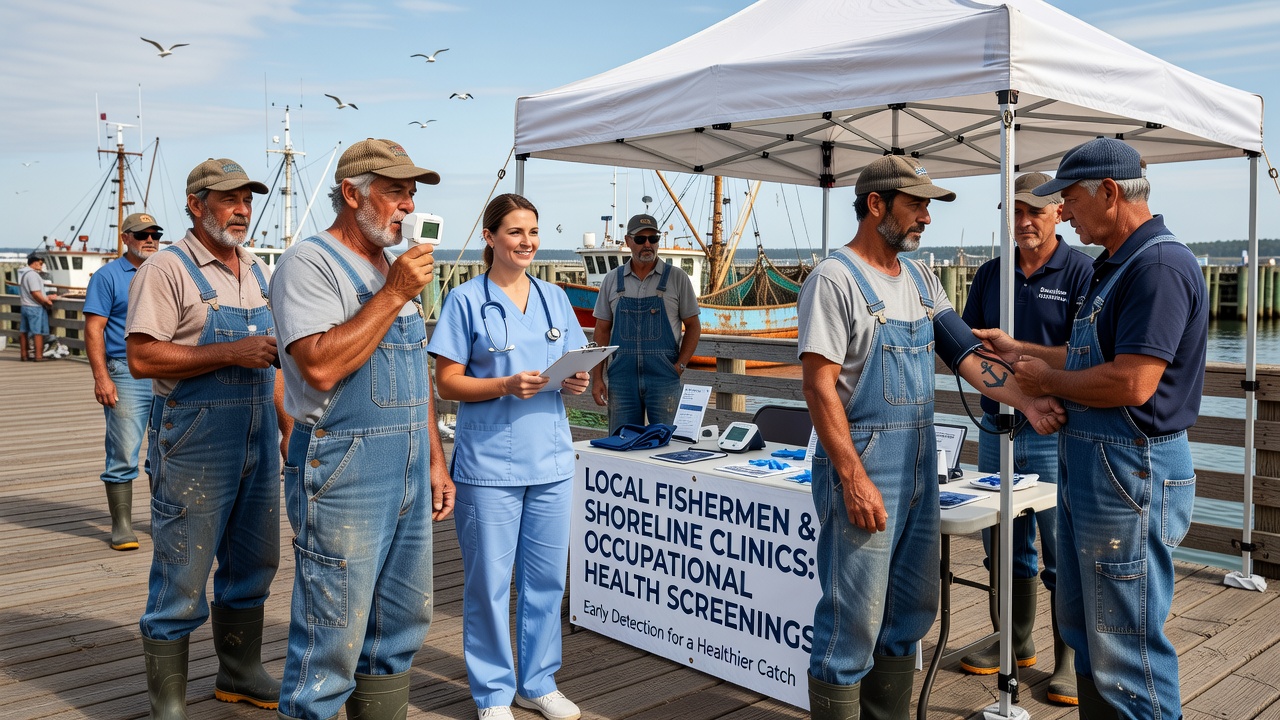
Electronic health record systems allow secure sharing of screening results between clinics and occupational health consultants who advise on equipment modifications, such as ergonomic handles for winches or improved personal flotation devices that reduce strain during extended shifts.
Data Trends and Program Outcomes
Figures from occupational health registries indicate that participation in these collaborative screenings correlates with fewer lost workdays due to preventable conditions, and program administrators note increased use of protective gear after educational components are added to each visit. In October 2026 several shoreline clinics plan to introduce updated screening protocols that incorporate wearable sensor data collected during actual fishing operations to refine risk assessments for repetitive strain injuries.
Community outreach efforts include informational posters at bait shops and dockside meetings where clinic representatives explain the benefits of early detection, leading to higher enrollment among independent operators who lack formal employer-sponsored health plans.
Conclusion
Partnerships between local fishermen and shoreline clinics continue to evolve through structured screening programs that address the specific physical toll of maritime work, supported by coordinated logistics and compliance with established health standards across different coastal zones. These arrangements deliver measurable improvements in early intervention while respecting the operational realities of the fishing industry.